
.png)
Just in time to celebrate International Day of Women and Girls in Science, the Foundation is pleased to contribute to the success of Margaux Laurella and Huifang Wu, recipients of the 2026 INRS Foundation Council Scholarships. For Huifang Wu, this distinction has been awarded for the second consecutive year, reflecting the quality and consistency of her research career. Awarded each year to master's or doctoral students at the Centre Énergie Matériaux Télécommunications, these scholarships recognize the excellence and potential of the next generation of female scientists and aim to support studies and research in fields where women are still underrepresented.
Margaux Laurella, PhD student in energy and materials science under the supervision of Professor Karin Kleiner
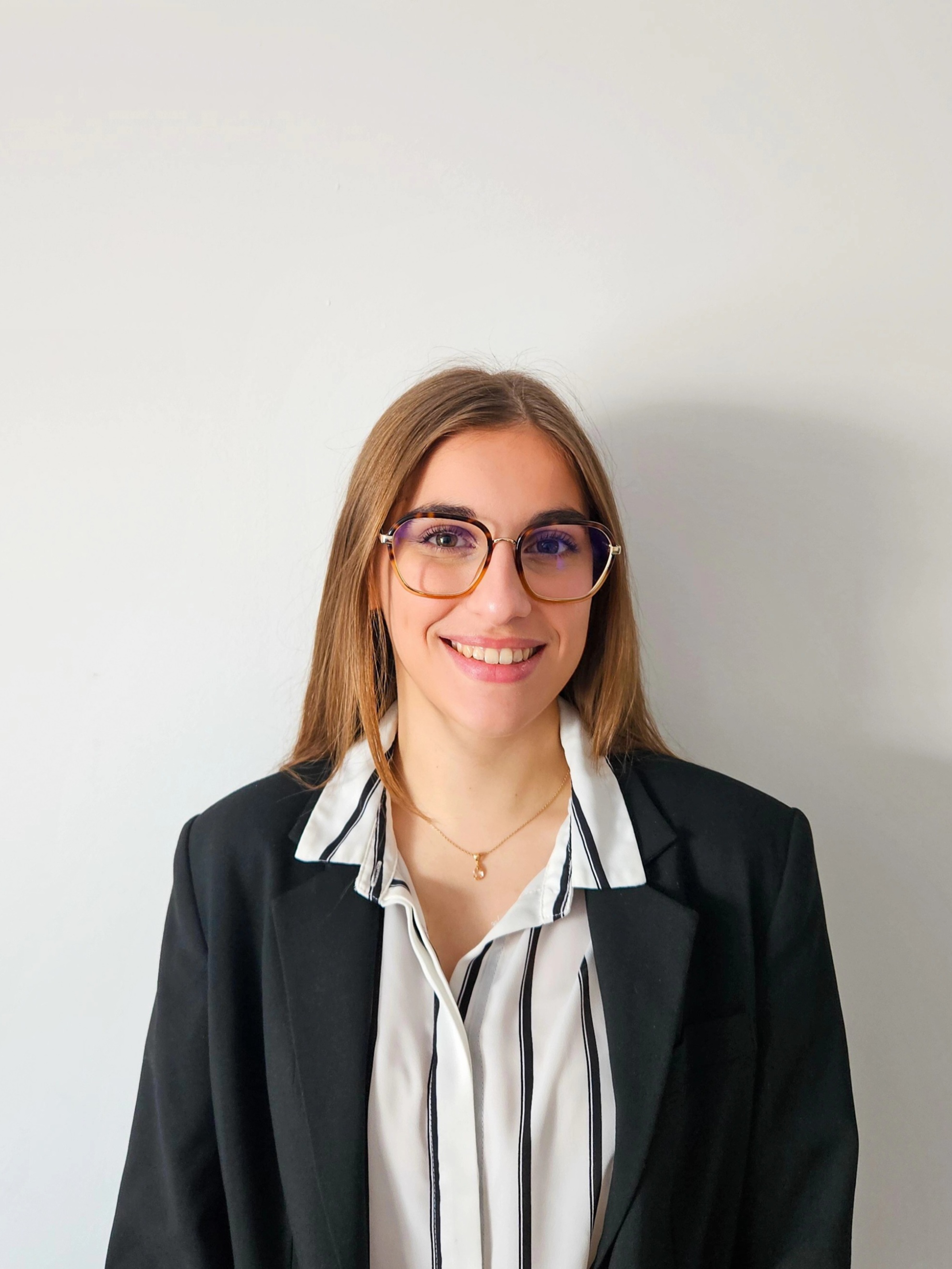
“This scholarship helps encourage women to pursue careers in science, particularly in fields where they remain underrepresented. It strengthens my motivation to fully commit to my PhD and to contribute, in my own small way, to the development of a more inclusive and representative scientific community.”
- What brought you to INRS? What did you take away from your experience?
My academic career has been shaped by an international context, as I completed my master's degree in materials for energy storage and conversion at several European universities in France, Poland, and Slovenia. This experience allowed me to discover different ways of doing research and working in a variety of environments. It was in this context that I discovered a PhD opportunity within Professor Karin Kleiner's research group at INRS, which marked the beginning of my adventure in Canada. I started my PhD in September 2025, so I am still at the beginning of this journey, but my experience at INRS has already been very rewarding, both professionally and personally. I particularly appreciate the quality of the supervision, the stimulating research environment, and the exchanges within the team, which allow me to develop my autonomy, critical thinking, and research skills. - Can you describe the challenge and impact of your research project?
My research project is part of the energy transition and focuses on the development of high-entropy cathode materials for lithium-ion batteries and all-solid-state batteries. These energy storage systems are essential today, particularly for portable electronics and electric mobility.
The main objective of this work is to optimize the synthesis and the electrochemical and structural properties of these materials in order to improve battery performance and lifespan. A significant part of my project involves developing materials without cobalt, a critical element due to its environmental impact, ethical issues, and limited availability.
This project aims both to better understand the behavior of complex materials from a scientific point of view and, in the longer term, to contribute to the development of energy storage technologies based on more responsible materials. - What does winning this grant mean to you?
I am very grateful to the INRS Foundation for awarding me this grant. Beyond the financial support, it sends a strong message in favor of diversity and inclusion in research. It helps encourage women to pursue careers in science, particularly in fields where they remain underrepresented. This strengthens my motivation to fully commit to my PhD and to contribute, in my own small way, to the development of a more inclusive and representative scientific community. - How do you see things progressing from here?
I want to continue my research activities and complete my PhD, while promoting my work through presentations at scientific conferences and symposiums. Sharing results and engaging in dialogue with the community are essential steps in the research process for me. I would also like to become more involved in science outreach activities, for example by participating in initiatives such as the My Thesis in 180 Seconds competition. I believe these activities are important for making science more accessible and for inspiring and motivating the next generation of researchers.
Huifang Wu, doctoral student in telecommunications under the supervision of Professor Tayeb A. Denidni
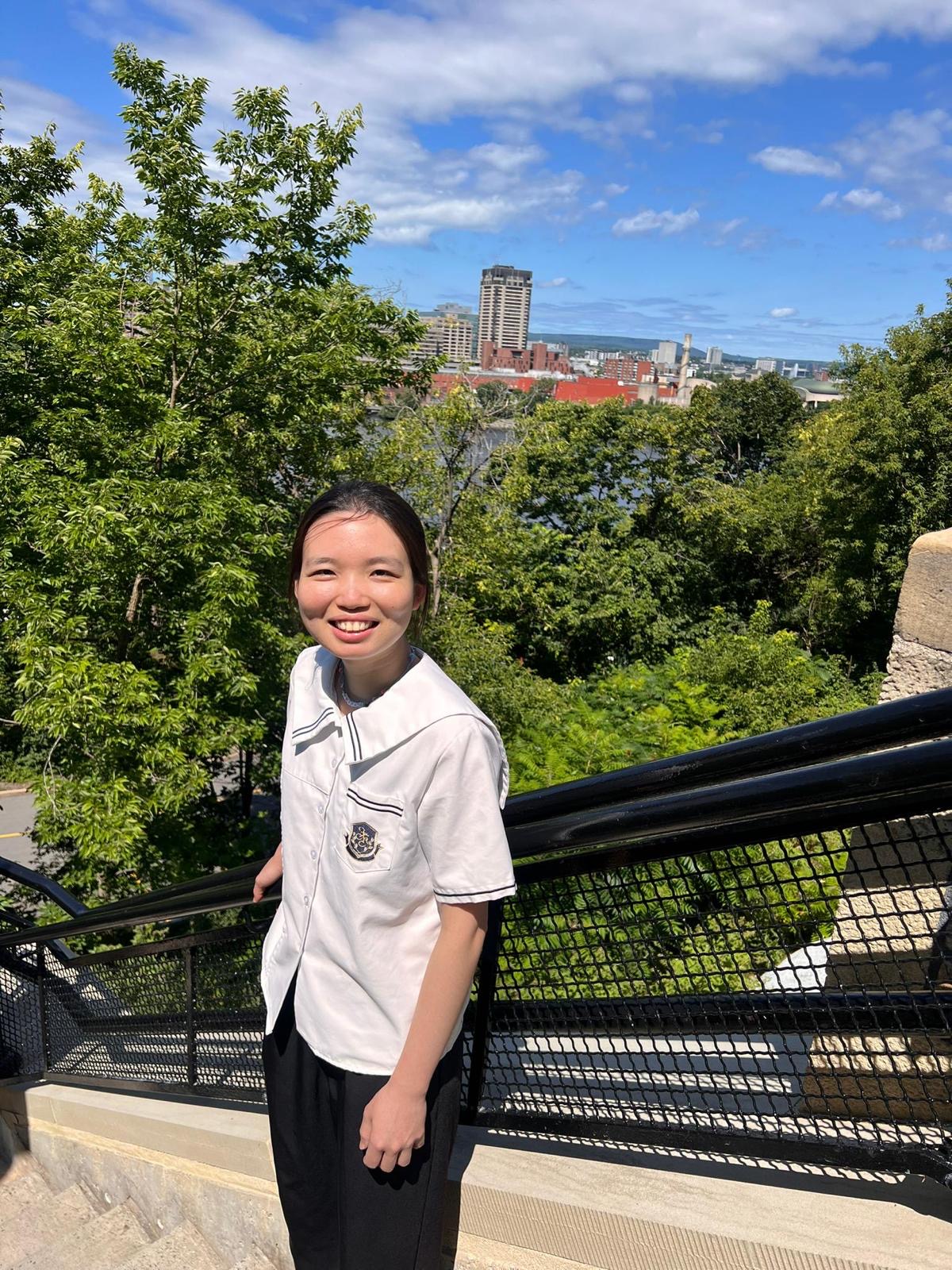
“Receiving this grant again is a valuable recognition of the quality and continuity of my research work. It has greatly encouraged me and strengthened my motivation to continue my research with rigor and a keen sense of responsibility.”
- How has your research evolved since receiving the Council's grant last year?
Since last year, my research has progressed significantly. I presented my research findings at the IEEE 2025 International Symposium on Antennas and Propagation and the North American Meeting on Radio Science, where I had in-depth discussions with researchers from the international scientific community. In addition, these research results have been published in IEEE Transactions on Antennas and Propagation, demonstrating the maturity and scientific value of this work. The Foundation's support has played an important role in advancing, refining, and disseminating my research. - What does winning this scholarship for the second time mean to you?
Receiving this scholarship again is a valuable recognition of the quality and continuity of my research work. It has greatly encouraged me and strengthened my motivation to continue my research with rigor and a keen sense of responsibility. This renewed support is very meaningful to me, as it encourages me to constantly strive for excellence in academic research and scientific practice in order to honor the trust and support that have been placed in me. - What new goals or projects do you have in mind for the next stage of your career?
During the next stage of my academic career, I hope to further develop my current research, explore new research approaches, and broaden the potential applications of my work. My goal is to produce research results that have a tangible scientific impact. In the long term, I aspire to continue working in a dynamic and collaborative research environment and to actively contribute to the advancement of knowledge in my field.
Through this recognition, the INRS Foundation highlights the achievements and potential of Margaux Laurella and Huifang Wu and reaffirms its support for a diverse and committed new generation of scientists.
The Foundation would like to thank its generous donors, as well as the Graduate Studies and Student Success Department and the selection committee for their key role in managing the competition and evaluating the applications.